
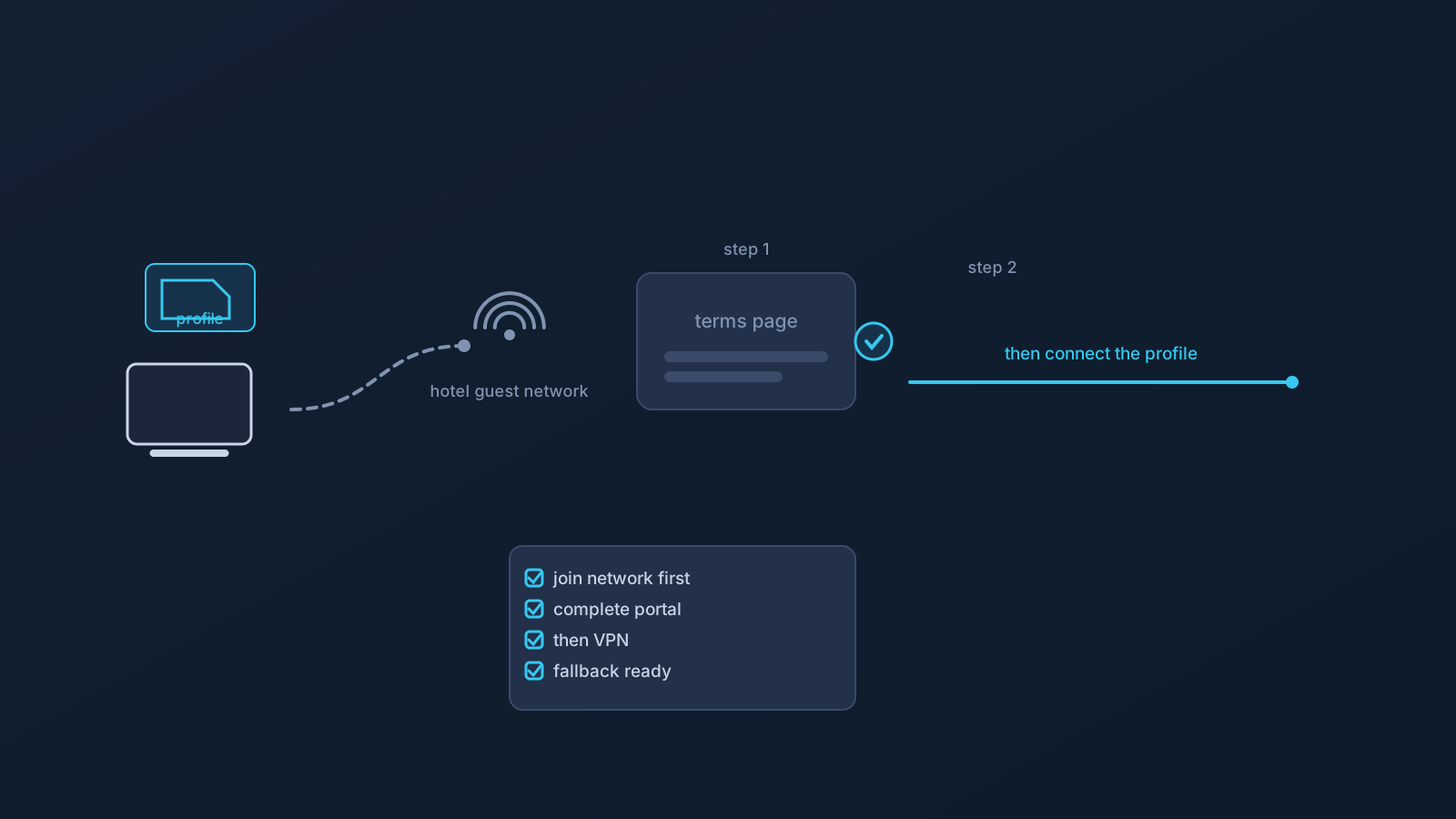
Hotel Wi-Fi is where reasonable VPN expectations go to get confused. The network works differently from home, extra steps appear before anything connects, and when the VPN doesn't come up immediately it's easy to conclude something is broken. Usually nothing is — hotel guest networks simply add stages that home networks don't have, and knowing the stages turns a frustrating evening into a two-minute routine.
This article explains the hotel-network realities worth expecting — captive portals, network rules, instability — and the order of operations that works with them instead of against them.
The sign-in page comes first — for everything
Most hotel networks greet new devices with a captive portal: a page asking you to accept terms, enter a room number or code, or complete some sign-in step before the network will carry your traffic anywhere else. Until that step is done, the network typically holds everything back — ordinary browsing and VPN connections alike.
That's the single most useful thing to know: join the network first, then connect the VPN. A VPN client trying to connect before the portal step is complete isn't failing; it's waiting on a network that isn't fully open to your device yet. Open a browser, let the portal appear, complete the hotel's steps, confirm ordinary browsing works — and then connect your profile as usual, the supported way: download the .ovpn file, open OpenVPN Connect, choose Upload File, import and save the profile, and connect.
The quirks portals bring with them
Captive portals explain several small oddities travelers notice. A browser may seem to go somewhere you didn't type — that's the portal redirecting you to its sign-in page, which is how portals work rather than a cause for alarm on its own. Name lookups can behave strangely until sign-in completes, because the network is steering traffic toward the portal. And a device that slept overnight may face the portal again in the morning, since guest-network sessions commonly expire — reconnecting then follows the same order: portal first, then VPN.
The habit that covers all of these: when hotel connectivity misbehaves, check the portal step before suspecting your setup. A quick visit to an ordinary website tells you immediately whether the network wants its page completed again.
Guest networks come with rules and limits
A hotel network is someone else's infrastructure, run under someone else's rules, and those rules vary widely. Some guest networks limit how many devices a room may join, meter time or sessions, or are simply configured in ways that don't support every kind of setup. No guest network is guaranteed to support every setup, and that's a property of the network, not of your profile.
The realistic posture is the traveler's usual one: expect variation, have a fallback ready (often mobile data), and resist redesigning a working setup to satisfy one uncooperative network — your profile and devices are the constants; the hotel network is the variable this week.
Instability is normal; your response can be boring
Hotel networks serve many guests over shared infrastructure, and evenings especially can be crowded. Connections that drop and recover, performance that varies by hour, and the occasional portal re-prompt are ordinary guest-network behavior. The boring responses are the right ones: rejoin the network (portal first), reconnect the profile, move closer to reliable coverage if the room's signal is marginal, or switch to the fallback for anything time-sensitive.
What doesn't help is treating each hiccup as a setup problem to solve. A profile that was tested before the trip and works on other networks hasn't stopped being correct because one guest network had a rough hour.
What to check before you travel — and what to note if it fails
Hotel Wi-Fi rewards the preparation this series always recommends: devices set up from your own profile in the Lisar Panel and tested on a familiar network before departure, so that on the road the only new variable is the network itself. If a specific hotel network still won't cooperate after the portal step is complete and other networks work fine, note the pattern — this network, these symptoms, portal completed, other networks fine — and use the fallback for the stay. Those specifics make a useful support conversation if one is needed, and they keep the diagnosis where it belongs: on the network that's different, not the setup that isn't.
The hotel Wi-Fi routine
- Join the guest network and complete the captive portal step; confirm ordinary browsing works.
- Then connect your VPN profile as usual — the portal comes first, every time, including after sessions expire.
- Expect variation: device limits, busy-hour instability, and networks that simply don't support every setup are guest-network realities.
- Keep the fallback ready, and don't redesign a tested setup to satisfy one network.
- If one network consistently fails after the portal step, note the specifics and let the stay run on the fallback.
Frequently asked questions
Why won't my VPN connect on hotel Wi-Fi when it works fine at home? Most often because the network's captive portal step isn't complete. Hotel networks typically hold all traffic until you've accepted terms or signed in — join the network, finish the portal page, confirm ordinary browsing works, then connect the VPN.
Do I have to accept the hotel's terms page before using my VPN? Yes, in the ordinary case: the portal step is how the guest network opens to your device, and connections generally won't carry until it's done. Portal first, then VPN, is the reliable order.
Why does the sign-in page keep coming back? Guest-network sessions commonly expire — overnight, after inactivity, or on a schedule. When connectivity misbehaves, checking whether the portal wants completing again is the quickest first diagnosis.
Will my VPN work on every hotel network? No network is guaranteed to support every setup, and guest networks vary widely in rules and configuration. Test your setup before travel, expect occasional uncooperative networks, and keep a fallback such as mobile data ready.
Is hotel Wi-Fi safe to use for work if I have a VPN? A guest network is still a shared network you don't control, and no single tool makes one fully safe. Keep devices updated, keep sensible browsing habits, and treat the VPN as part of a prepared setup rather than a guarantee.