
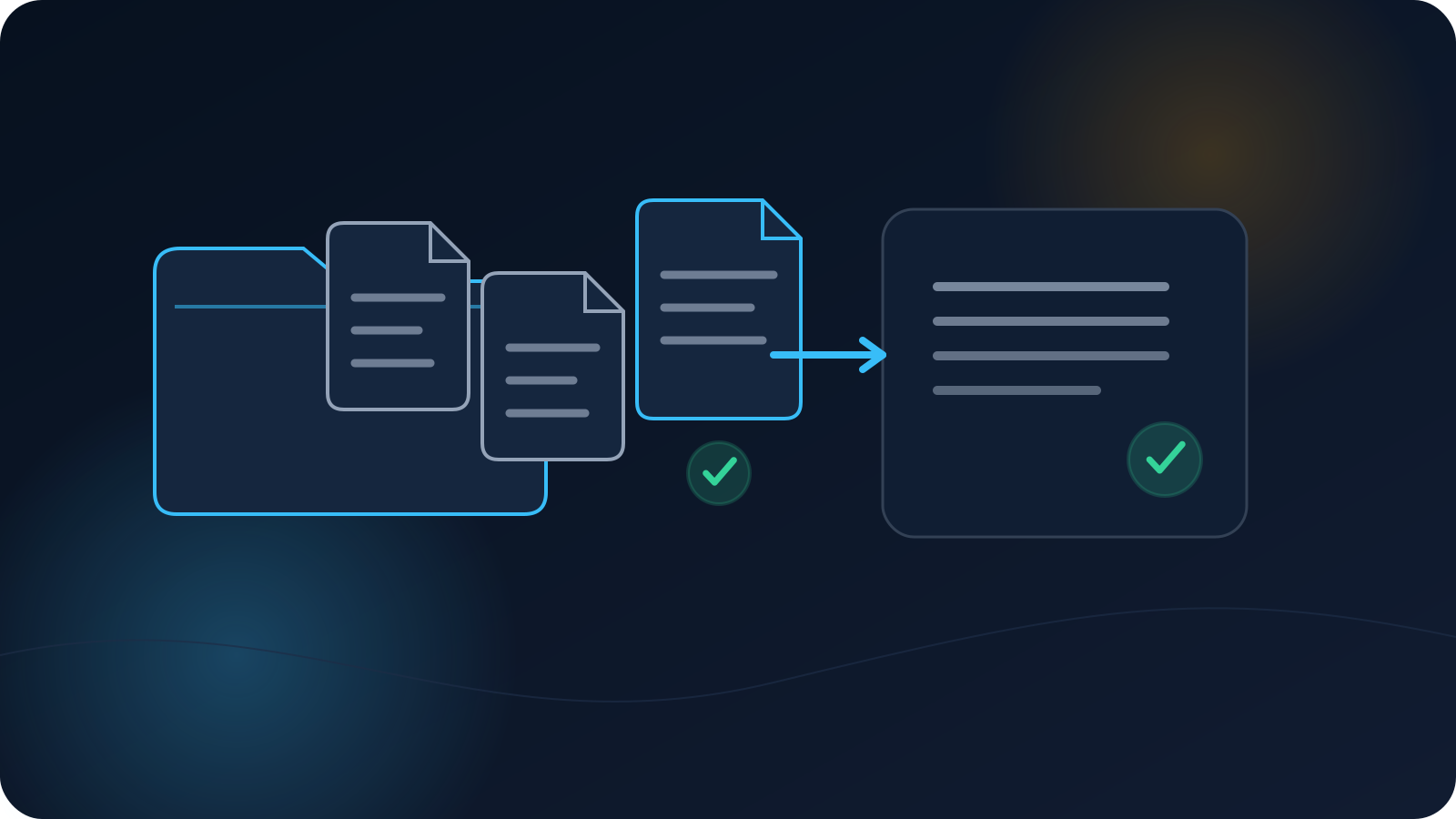
A VPN profile file is small, easy to download, and even easier to lose track of. You save one to get connected, download a fresh copy a few weeks later, get sent another during a device change, and before long a folder somewhere holds three or four files with similar names and no obvious way to tell which one you should actually be importing. Nothing is broken — but the next setup turns into guesswork.
This article is about keeping that from happening. It's not a technical exercise; it's a few small habits around naming, storage, and knowing which file is current. Handled once, they save you the small frustration of hunting for the right profile every time you set up a device.
Why profile files pile up in the first place
Profile files accumulate for ordinary reasons. You might download a new copy after your access is renewed, save one on each device you use, or receive a replacement when server details change on the provider's side. Each of those is a normal event, and each tends to leave a file behind. Because the files often share a generic name and land in whatever folder your browser uses by default, the older ones don't announce themselves as outdated — they just sit alongside the new one.
The result is version confusion: several plausible-looking files, and no quick way to know which is the one to use. Organizing isn't about having fewer files for its own sake; it's about making the current one obvious at a glance.
Give each file a name you'll still understand next month
The single most useful habit is renaming a profile file to something you'll understand later, rather than leaving whatever name it downloaded with. A generic filename tells you nothing about which profile it is or how recent it is, and that's exactly the information you'll want when you have more than one.
What a clear name usually includes
A name that helps future-you is usually short and descriptive: which profile it's for, and roughly when you saved it. Something like work-profile-2026-07.ovpn reads clearly a month later, where a default name does not. The exact scheme matters less than picking one and using it consistently — consistency is what lets you sort a folder and immediately see which file is newest. Avoid the trap of endless suffixes like final, final2, and use-this-one; a plain date does the same job without the ambiguity.
Keep one home for them on each device
Decide where profile files live on each device, and keep them there. When files scatter across your Downloads folder, your desktop, a chat thread, and an email attachment, "which copy is current" becomes almost impossible to answer. A single folder per device — wherever is convenient for you — turns that question into a quick look at one place.
This also makes the occasional cleanup painless: one location to review, rather than a hunt across several. You don't need anything elaborate. One consistent spot is the whole idea.
Know which profile is the current one
When several files exist, the current profile is the most recent working copy from your own trusted source. If a name and date scheme is in place, the newest dated file is usually the one to import — and once you've confirmed it connects, it becomes your reference copy until the next legitimate reason to refresh it.
If you're ever unsure which file is current, the reliable move is to get a fresh copy from your own account rather than guessing among the ones you already have. A clean download from the source you trust removes the doubt entirely. For a fuller sense of when refreshing a profile is actually warranted, see When to Re-Download Your VPN Profile.
Clearing out the copies you no longer need
Once you've confirmed which file is current and that it connects, you can tidy away the older downloaded copies you're keeping locally so they don't cause confusion later. This is ordinary file housekeeping on your own device — clearing out stale downloads — and it's worth doing only after the current file is confirmed, never before.
Keep the scope modest: this is about the copies sitting in your own folders, not about anything on the provider's side. If removing an old file ever leaves you unsure whether you still have a working one, download a fresh copy from your account first, confirm it connects, and only then clear the rest.
For a small team: agree where profiles live and who hands them out
Across a team, the same confusion multiplies unless a couple of things are agreed up front. Two questions settle most of it: where does setup material live, and who is responsible for handing it out? When those have clear answers, people know where to look and who to ask, instead of forwarding files around and losing track of which is current.
The healthy pattern is that each person sets up from their own account rather than passing a single file between people — that keeps every person's current file tied to their own access. If your team writes down its setup basics, where profiles come from is worth recording alongside them; VPN Setup Documentation for Small Teams covers what's useful to capture, and Who Should Own VPN Setup in a Small Team? covers who tends to hold that responsibility.
Quick recap
- Profile files pile up for ordinary reasons; the goal is making the current one obvious.
- Rename each file to something clear — which profile, and roughly when you saved it.
- Keep one folder per device instead of letting files scatter.
- The current profile is the newest confirmed-working copy from your own source; when unsure, download a fresh one.
- Clear out old local copies only after the current file is confirmed to connect.
- On a team, agree where profiles live and who hands them out — and let each person set up from their own account.
Frequently asked questions
How many profile files should I actually keep? Usually just the current one per device, once you've confirmed it connects. Older downloaded copies mostly create confusion, so clearing them after the current file is confirmed keeps things simple. If you'd rather not manage copies at all, a fresh download from your own account whenever you need one works fine.
What's a good way to name a profile file?
Something short that says which profile it is and roughly when you saved it — a plain date is enough. Consistency matters more than the exact format, because a consistent scheme lets you sort a folder and see the newest file immediately. Avoid stacking suffixes like final and use-this-one.
How do I tell which of several files is the current one? If you've been dating your files, the newest one from your own trusted source is usually current — confirm it connects, and treat that as your reference copy. If you can't tell, don't guess among old files; get a fresh copy from your own account and use that.
Where should I store profile files? Wherever is convenient, as long as it's one consistent place per device rather than scattered across Downloads, desktop, chats, and email. A single folder makes both finding the current file and clearing old ones straightforward.
Should everyone on my team share one organized file? No — the tidier pattern is each person setting up from their own account, so each person's current file is tied to their own access. Agree where setup material comes from and who hands it out, but keep files per person rather than forwarding one around.