
A new device is a small ceremony: unbox, sign in, restore, and re-create the pieces of your setup that don't transfer by themselves. The VPN profile is one of those pieces — and the way you move it matters more than it seems, because the convenient move and the safe move point in different directions.
The convenient move is forwarding the old profile file from the previous device. The safe move is a fresh start from the source. This article is the case for the fresh start, plus the small cleanup that makes a device swap genuinely complete.
The safe move: fresh from the Panel, not forwarded
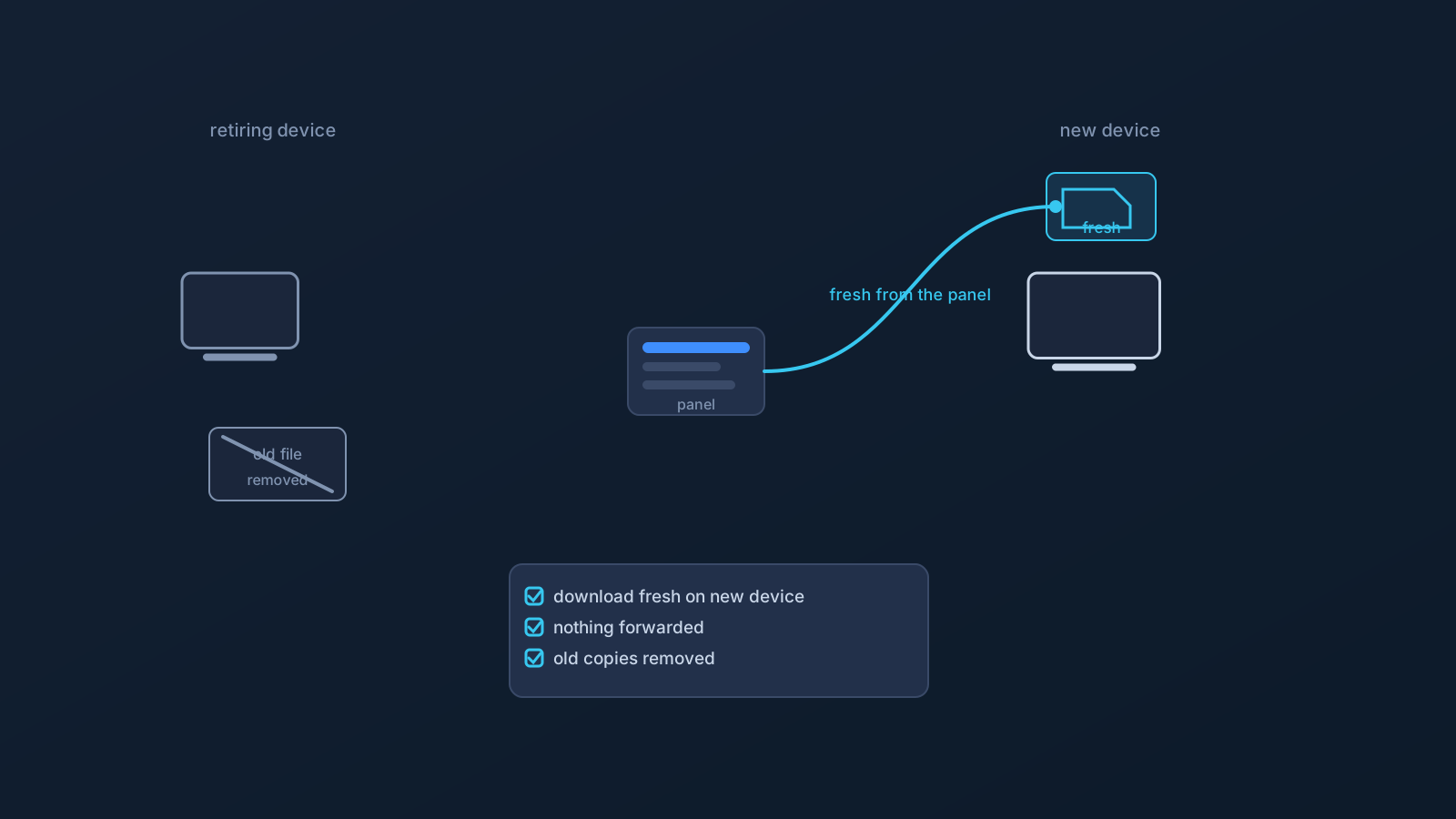
On the new device, set up as if it were your first: sign in to the Lisar Panel, go to your own profile, and follow the supported flow — download the .ovpn file, open OpenVPN Connect, choose Upload File, import and save the profile, and connect. Two minutes, done properly, from the source of truth.
What the fresh start avoids is every problem the shortcut creates. A downloaded .ovpn profile file is sensitive setup material, and forwarding it — through email, chat, cloud notes, or a shared folder — plants a copy in a place that outlives the migration. The forwarded copy sits in a sent-items folder or a synced drive indefinitely, findable long after both devices are forgotten. Downloading fresh from your own Panel profile creates nothing to clean up and nothing to remember.
The same logic covers transfer cables and migration assistants: they're excellent for photos and apps, and the VPN profile still deserves its own fresh download on the new device rather than a copied file riding along.
Follow the guide for the device you're holding
A new device is often a different device — a platform switch, a newer OS, a client version with different screens. The setup flow is the same supported path, but the steps look like that device's steps, so follow the setup guide for the device in front of you rather than memory of the old one. Where OpenVPN Connect or a Lisar setup guide asks for any required fields, use only the values shown in the Lisar Panel or official setup instructions for that profile — never values remembered, screenshotted, or copied from the previous device.
Then test while both devices are still in the room: connect the new device on a familiar network and confirm it behaves. Migration day is the cheapest possible moment to discover a question, because the answer is one Panel login away and nothing depends on the new device yet.
The goodbye: retire the old device properly
A device swap isn't finished when the new device works — it's finished when the old device stops carrying setup material. Before the old phone or laptop goes to a drawer, a family member, a buyer, or recycling, remove the leftover pieces: the downloaded .ovpn profile file wherever it landed (downloads folder, file manager), and the imported profile inside the VPN client if the client is staying behind. If the device is being fully erased for handoff anyway, the erase covers it; if it's lingering in a drawer "just in case," the cleanup matters precisely because drawers are where devices get forgotten.
This is local file hygiene, not account surgery — you're tidying copies off hardware that's leaving your rotation. Anything account-side you're unsure about belongs with the Lisar Panel and official support, not with guesswork on migration day.
The special cases
A few swaps come with an extra consideration. If the old device was lost or is being replaced because it's out of your hands, the cleanup step obviously can't happen on the device — do the new-device setup as above, and for anything account-side, follow the guidance in the Lisar Panel or contact Lisar support through official channels rather than guessing at next steps. If the new device is company-managed, its device policy decides what setup is possible — ask the policy owner before attempting anything, exactly as this series always recommends. And if you're swapping several devices at once, do them one at a time, each fresh from the Panel; assembly-line migrations are where forwarded files sneak back in.
The two-minute migration checklist
- New device: sign in to the Lisar Panel, download the .ovpn file fresh from your own profile, and set up via the supported flow using that device's guide.
- Required fields, if any appear: only from the Panel or official setup instructions — nothing remembered or copied from the old device.
- Test on a familiar network while the old device still exists.
- Old device: remove the downloaded profile file and the imported profile before it's handed off, sold, stored, or recycled.
- Lost or already-gone device: set up fresh as above, and route anything account-side through the Panel and official support.
- Managed device: policy owner first, always.
Frequently asked questions
Can I just AirDrop or email my profile file to the new phone? Better not to. A downloaded .ovpn profile file is sensitive setup material, and forwarding it plants long-lived copies in mail, chat, or synced folders. Downloading fresh from your own Lisar Panel profile on the new device takes two minutes and leaves nothing behind.
Will a migration assistant or transfer cable move my VPN setup? They may move apps and data, but the profile deserves its own fresh start: download the .ovpn file from your own Panel profile on the new device and import it via Upload File in OpenVPN Connect, following that device's setup guide.
What should I delete from my old device? The downloaded .ovpn profile file wherever it landed, and the imported profile inside the VPN client if the client stays installed. If the device is being fully erased for handoff, the erase covers it — the cleanup matters most for devices lingering in drawers.
What if my old device was lost or stolen? Set up the new device fresh from your own Panel profile as usual, and for anything account-side, follow the guidance in the Lisar Panel or contact Lisar support through official channels rather than guessing at steps.
Does any of this change if the new device is a work laptop? Yes — company-managed devices follow their device policy first. Ask the policy owner what's possible before attempting setup; the migration habits here apply within whatever the policy allows.